
Call us now :08045801916
 Send Inquiry
 Send Inquiry
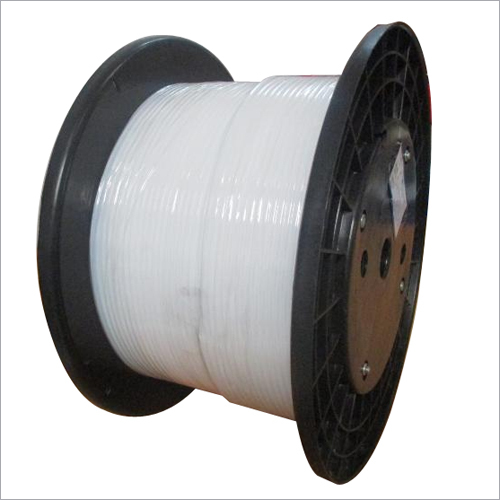
PTFE Tube
Price 100 INR/ Meter
PTFE Tube Specification
- Type
- PTFE Tube
- Material
- Polytetrafluoroethylene (PTFE)
- Working Temperature
- -200C to +260C
- Density
- 2.3 Gram per cubic centimeter(g/cm3)
- Corrosion Protection
- Excellent chemical resistance
- Tensile Strength
- 20-30 MPa
- Thickness
- 0.5 mm to 5 mm
- Melting Point
- 327C
- Size
- OD 1 mm to 100 mm
- Width
- Customized as per requirement
- Length
- Standard 1 m, can be customized
- UV Resistance
- Excellent
- Flexibility
- High
- Water Absorption
- <0.01%
- Flame Retardant
- Yes, self-extinguishing
- Pressure Rating
- Up to 25 bar (depends on size/wall)
- Odor
- Odorless
- Inner Diameter (ID)
- 0.5 mm to 95 mm
- Applications
- Chemical, electrical, medical industries
- Hardness
- Shore D 50-60
- Dielectric Strength
- 60 kV/mm
- Color
- White/Translucent
About PTFE Tube
We Are Capable manufacturing a wide range of PTFE tubing, starting from 0.8 mm ID to 25mm OD with varying wall thickness ranging from 0.3mm to 3.2mm. We are confident of holding close tolerances on the above sizes.
Superior Chemical and Corrosion Resistance
PTFE Tube is engineered to provide outstanding resistance to most chemicals and solvents, making it perfect for use in aggressive environments. Its high density and stability ensure long-lasting protection against corrosion and degradation, especially in chemical processing and fluid transfer applications.
Exceptional Electrical and Thermal Properties
Featuring a dielectric strength of 60 kV/mm and a working temperature range of -200C to +260C, these tubes perform reliably in high-performance electrical insulation, wiring, and heat transfer settings. The self-extinguishing nature ensures safety in critical uses.
Customizable for Various Industries
Available in a broad selection of inner and outer diameters, thicknesses, and lengths, PTFE tubing can be tailored to precise technical requirements. Whether for medical, electrical, or chemical sectors, customization assures optimum fit and functionality for specialized needs.
FAQ's of PTFE Tube:
Q: How is PTFE tube typically used in medical, electrical, and chemical industries?
A: PTFE tube is valued for its chemical inertness, flexibility, and high dielectric strength, making it ideal for transporting corrosive chemicals, insulating wires, and serving as medical catheters or liners. Its low water absorption and high working temperature range support diverse applications in these sectors.Q: What benefits does the PTFE tube offer compared to other types of tubing?
A: PTFE tube stands out for its exceptional chemical resistance, excellent UV stability, and self-extinguishing flame retardancy. It remains flexible across a broad temperature range and maintains mechanical properties under pressure, ensuring longevity and reliability in harsh conditions.Q: When should I consider using a PTFE tube instead of other materials?
A: You should opt for PTFE tubing when your application demands resistance to aggressive chemicals, high temperatures (up to 260C), low friction, minimal water absorption, and robust electrical insulation. It's also ideal where non-reactivity and non-adhesiveness are crucial.Q: Where are PTFE tubes commonly installed?
A: PTFE tubes are widely used in laboratories, pharmaceutical factories, electronic assembly areas, and chemical plants. They are also found in hospitals, research facilities, and industrial production lines requiring safe transport of corrosive or high-purity fluids.Q: What is the process for customizing PTFE tube dimensions?
A: Manufacturers offer customization options for inner and outer diameters, wall thickness, and length. Customers specify required dimensions and other features, after which the PTFE tube is extruded and cut to the desired specifications to ensure an exact fit for their project.Q: How does the flame retardant and self-extinguishing properties benefit the user?
A: The inherent flame retardancy and self-extinguishing behavior of PTFE tubing enhance safety by mitigating fire risks in sensitive environments such as electrical enclosures, laboratories, and medical settings, thereby protecting both personnel and critical equipment.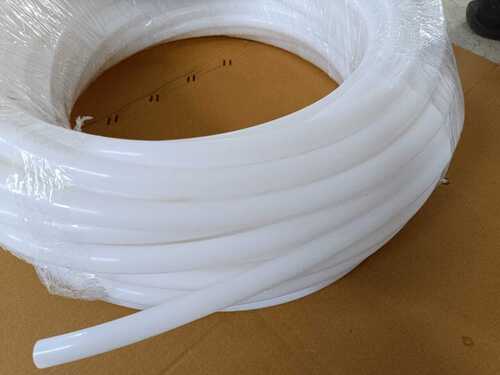
Tell us about your requirement

Price:
Quantity
Select Unit
- 50
- 100
- 200
- 250
- 500
- 1000+
Additional detail
Mobile number
Email

More Products in Ptfe white+ Ptfe Striped Tubing Category
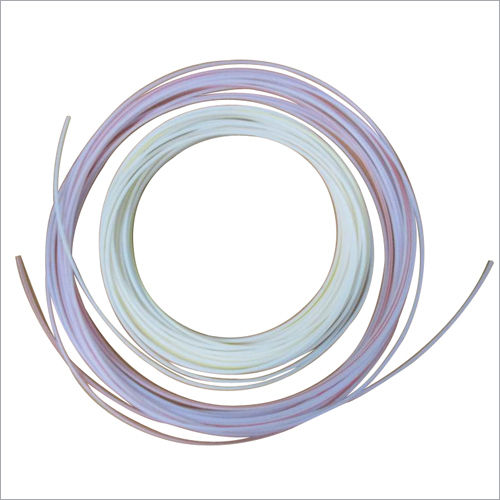
PTFE Striped Tubing
Price Range 30.00 - 220.00 INR
Minimum Order Quantity : 50 Meters
Type : Striped Tubing
Material : PTFE (Polytetrafluoroethylene)
Density : 2.17 Gram per cubic meter (g/m3)
Corrosion Protection : Other, Chemical Resistant
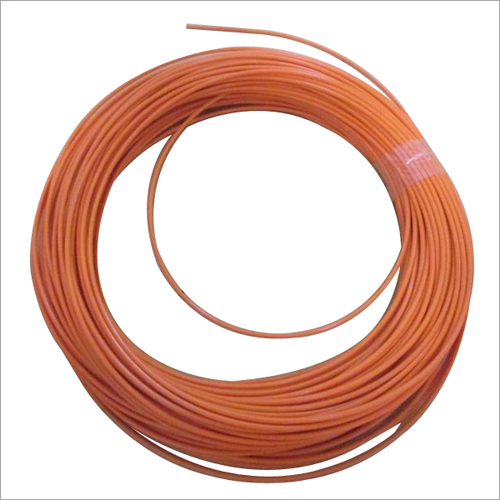
PTFE Pigmented Tubing
Price Range 25.00 - 210.00 INR
Minimum Order Quantity : 50 Meters
Type : Pigmented PTFE Tubing
Material : PTFE with pigment
Density : 2.17 Gram per cubic meter (g/m3)
Corrosion Protection : Other, Excellent chemical and corrosion resistance
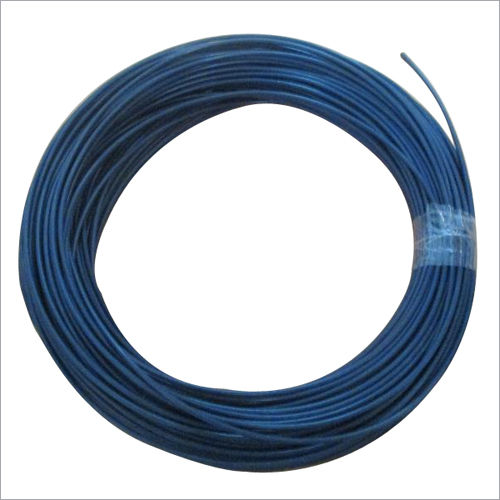
PTFE Markable Tubing
Minimum Order Quantity : 500 Meters
Type : Markable Tubing
Material : PTFE (Polytetrafluoroethylene)
Density : 2.2 Gram per cubic centimeter(g/cm3)
Corrosion Protection : Other, Excellent
PTFE Extruded Tubing
Price Range 20.00 - 200.00 INR
Minimum Order Quantity : 50 Meters
Type : Extruded Tubing
Material : PTFE (Polytetrafluoroethylene)
Density : 2.17 Gram per cubic meter (g/m3)
Corrosion Protection : Other, Excellent chemical resistance

 Send Inquiry
Our Products


Unit No. 201 and 204, Building No. 23, HDIL Industrial Park, Village Chandansar, Virar East,Virar - 401305, Maharashtra, India

Mr. Sanjay Lemos
(Partner)
Mobile :08045801916
 Send Inquiry
 Send SMS
Developed and Managed by Infocom Network Private Limited.
